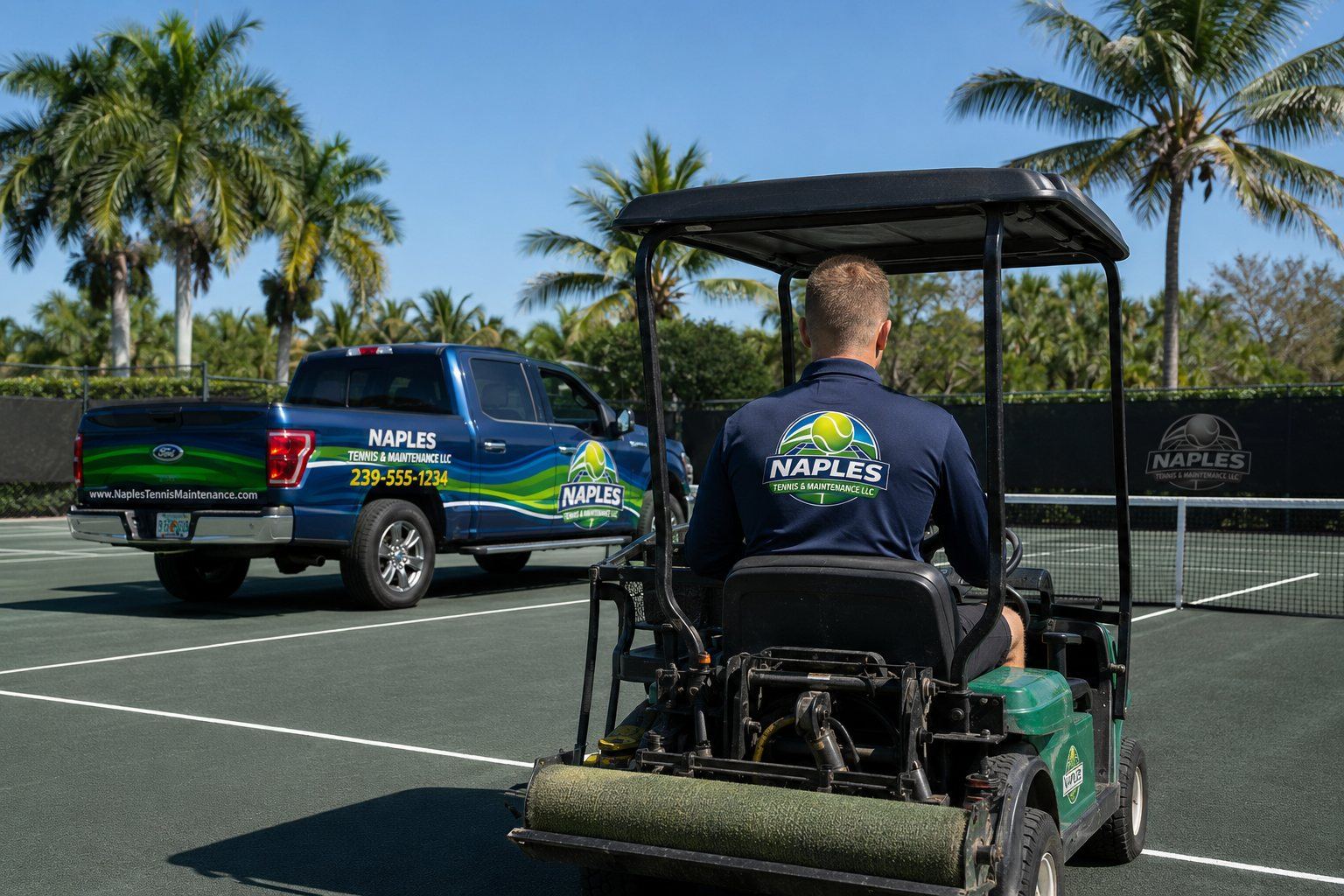
How Long Does a Tennis Court Resurfacing Last in Florida's Heat?
If you're wondering how long does tennis court resurfacing last in Florida's heat, the honest answer depends on several factors—but with proper maintenance, you can typically expect 4 to 8 years of solid performance before needing another refresh. Florida's intense sun, humidity, and occasional storms create unique challenges that affect how long your court's surface holds up. Understanding what impacts durability helps you make smart decisions about protecting your investment.
What Happens to Tennis Courts in Florida's Climate
Florida's heat and UV exposure are intense. The sun beats down on your court year-round, and that constant exposure breaks down the binders and colorants in the playing surface. Humidity and moisture also play a role—they can cause the surface to expand and contract, leading to small cracks that grow over time if left unaddressed.
The good news? Courts don't fail overnight. You'll usually notice gradual wear before the surface becomes unplayable. Fading color, minor cracking, and slightly rough patches are early warning signs that your court is aging. Catching these early and maintaining your court regularly can extend its lifespan significantly.
The Resurfacing Process: What to Expect
When you decide it's time to invest in tennis court resurfacing in Naples, FL, the process typically takes several days and follows a clear sequence. First, the existing surface is cleaned and inspected thoroughly to identify any structural issues beneath the wear layer. Any cracks or damage to the base court needs attention before new surface material goes down.
Next comes the actual resurfacing. A specialized acrylic or coating system is applied in thin, even layers. Each layer needs time to cure, which is why the project spans multiple days. The final step includes line painting and sealing to protect the fresh surface. During this time, your court will be off-limits to play, so plan accordingly if you run a facility or use your court regularly.
Factors That Affect Durability in Naples
Several variables influence how long your resurfaced court will last. Play frequency matters—a court that gets heavy daily use will show wear faster than one used a few times weekly. Maintenance habits make a huge difference too. Regular cleaning, prompt repairs of small cracks, and keeping debris cleared extends the life significantly.
Weather exposure also plays a role. Courts in shaded areas or with good drainage tend to last longer because they experience less water pooling and UV damage. Your court's base condition is equally important—a solid, well-maintained concrete or asphalt base will support a long-lasting resurfaced top layer, while a deteriorating base can compromise even a new surface.
Maintaining Your Resurfaced Court for Maximum Lifespan
After resurfacing, your maintenance routine becomes the real key to longevity. Regular sweeping removes dirt and debris that can scratch and wear the surface. Washing with mild soap and water keeps the court clean without harsh chemicals that break down the finish. Address small cracks immediately—they're much easier and more affordable to repair when they're fresh versus letting them expand.
In Florida's heat, also watch for water pooling after rain. If water sits on your court, it's a sign that drainage needs attention. Proper drainage prevents moisture from seeping into the base and causing problems down the line. These simple habits can realistically add years to your court's usable life.
When to Schedule Your Next Resurfacing
Most courts in the Naples area benefit from resurfacing every 4 to 8 years, but this isn't a hard rule. Instead of watching the clock, watch your court. When you notice consistent color fading, increased cracking, surface roughness, or slower ball response, it's time to call. A professional inspection can tell you whether your court needs full resurfacing or if targeted repairs will buy you more time.
A: Yes, a freshly resurfaced court looks and plays like new. The color is vibrant, the surface is smooth, and the ball response is crisp. Over time, the finish will gradually fade and wear naturally, but the playing quality remains excellent for years.
A: No, the surface needs time to cure fully. Most courts are ready for light use within a few days and full play within 7 to 10 days. Your contractor will give you a specific timeline based on weather conditions and the coating system used.
A: Yes, moisture exposure is a significant factor. Humidity creates conditions where water can penetrate and soften the layers beneath the surface. Good drainage and regular maintenance help counteract this effect.
A: Repairs patch specific problem areas and extend your court's life temporarily. Resurfacing replaces the entire wearing surface, giving you a fresh start. Repairs typically cost less upfront but become less practical once damage is widespread.
Ready for help? Contact NAPLES TENNIS & MAINTENANCE LLC today to learn more about how long does tennis court resurfacing last for your specific situation and to schedule a free court evaluation. Get in touch with our team and let's keep your court playing great for years to come.