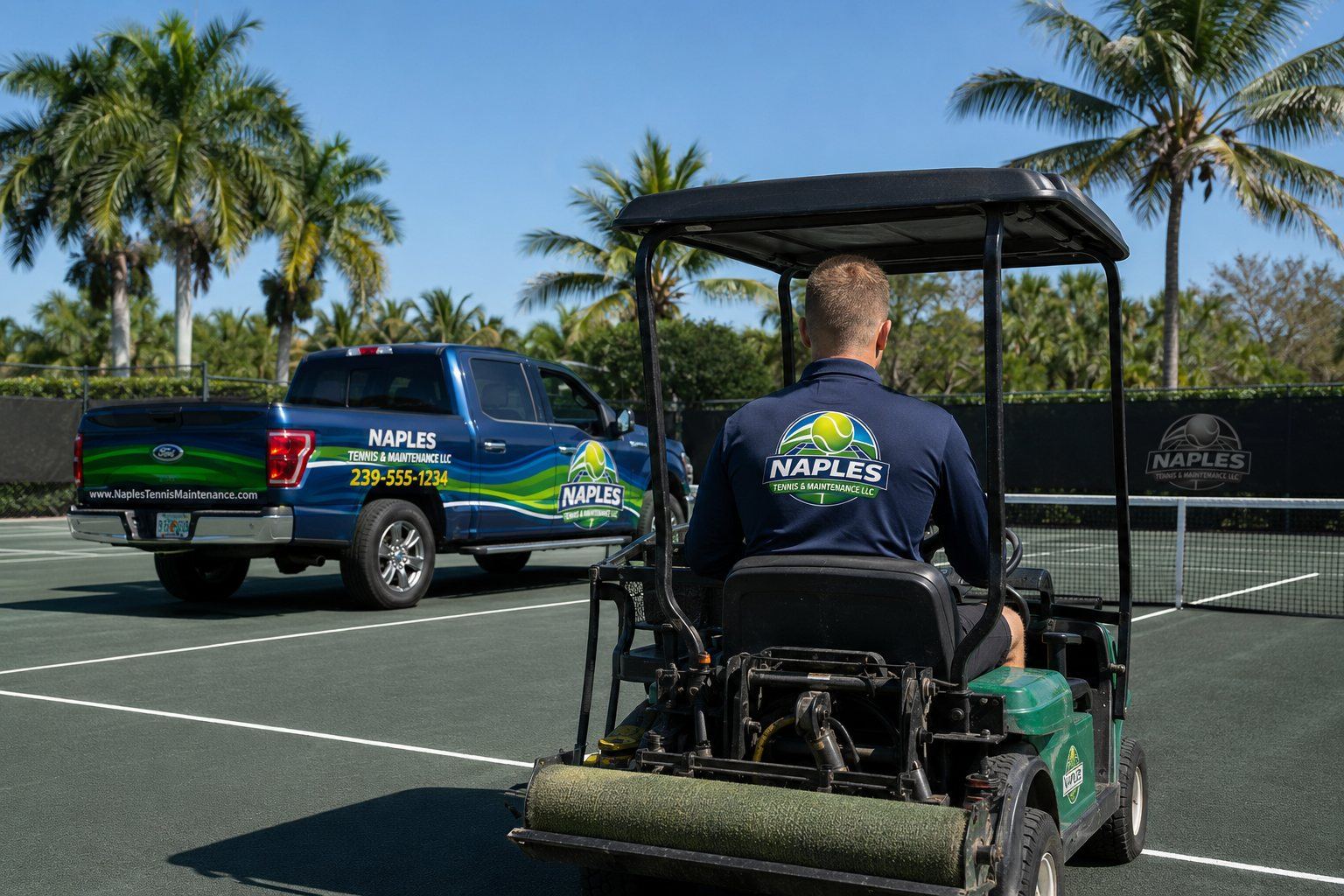
Tennis Court Resurfacing Cost: What to Expect Before You Get a Quote
When you're thinking about resurfacing your tennis court in Naples, Florida, the first question that comes to mind is usually about cost. The truth is, there's no one-size-fits-all answer—and that's actually good news. Understanding what goes into a tennis court resurfacing cost estimate helps you make an informed decision and budget accordingly for your facility.
Before you pick up the phone for a quote, it helps to know what factors influence the final price. By learning what professionals evaluate during an inspection, you'll be better prepared to have a productive conversation with your contractor and understand why tennis court resurfacing in Naples, FL involves specific considerations.
What Inspectors Look At During Assessment
When a professional visits your court, they're not just glancing at the surface. They're conducting a thorough evaluation that will directly impact your resurfacing cost. This includes checking the condition of the existing playing surface, identifying cracks, assessing drainage patterns, and determining whether the underlying base needs attention.
The current state of your court matters enormously. If your court has minor wear and surface cracking, you're looking at a different scope than if the base layer has shifted or if drainage issues have caused subsurface damage. A detailed inspection helps contractors understand the extent of preparation work needed before any new surface can be applied.
Naples' subtropical climate plays a role too. Salt air, intense sun exposure, and occasional heavy rainfall mean Florida courts face unique challenges. Inspectors will assess how these environmental factors have affected your court and what protective measures might be recommended in your resurfacing plan.
Factors That Influence Your Final Estimate
Several variables come into play when determining tennis court resurfacing cost. Court size is obvious—larger courts naturally require more material and labor. But beyond square footage, the complexity of the project matters significantly. Courts requiring base repair, new drainage solutions, or extensive crack filling will involve more work than straightforward resurfacing.
The type of surface coating you choose also plays a role. Hard courts come in different performance grades, colors, and protective finish options. Your contractor should discuss these choices and explain how each option fits your budget and performance goals. Some facilities prioritize player experience, while others focus on durability and maintenance ease.
Timing affects pricing too. Seasonal demand, weather windows for proper curing, and your contractor's availability all factor in. Planning ahead gives you flexibility and often results in smoother project scheduling.
Getting Accurate Quotes in Naples
When you contact contractors for hard court painting and resurfacing estimates, be ready to provide information about your court's location, dimensions, and current condition. Photos help tremendously. The more detail you provide upfront, the more accurate your quote will be.
Ask prospective contractors to walk you through their inspection findings and explain their recommendations. A thorough estimate should break down labor, materials, and any specialized services like drainage repair or crack stabilization. This transparency helps you compare quotes meaningfully and understand where your investment is going.
Don't rush the quoting process. Good contractors will take time to understand your situation fully rather than throwing out a quick number.
Planning Your Resurfacing Project
Once you have estimates in hand, think about timing. Weather plays a crucial role in Florida—spring and fall often provide ideal conditions for resurfacing work. Planning ahead means your court will be ready for peak playing season without rushed timelines or weather complications.
Ask about the project timeline, including curing time before the court can be used. Some surfaces require specific weather conditions or waiting periods. Understanding the full timeline helps you plan facility closures if needed and manage player expectations.
A: Generally yes, since larger courts require more material and labor hours. However, the condition of the court and extent of repairs needed can sometimes make a smaller, heavily damaged court more expensive than a larger one in good condition.
A: Repainting addresses the top color coat, while resurfacing involves replacing the playing surface layers. Resurfacing is more involved and typically lasts longer, making it the better choice when the court's structural integrity needs attention.
A: This depends on climate, usage level, and maintenance. Florida's intense sun and weather mean courts may need attention more frequently than courts in milder climates. Regular maintenance extends the time between full resurfacing projects.
A: Absolutely. Getting estimates from several reputable contractors helps you understand the market and ensures you're comparing similar scopes of work. It's one of the best ways to make a confident investment decision.
Ready for help? Contact NAPLES TENNIS & MAINTENANCE LLC today to schedule your court inspection and receive a detailed resurfacing estimate tailored to your Naples facility.